

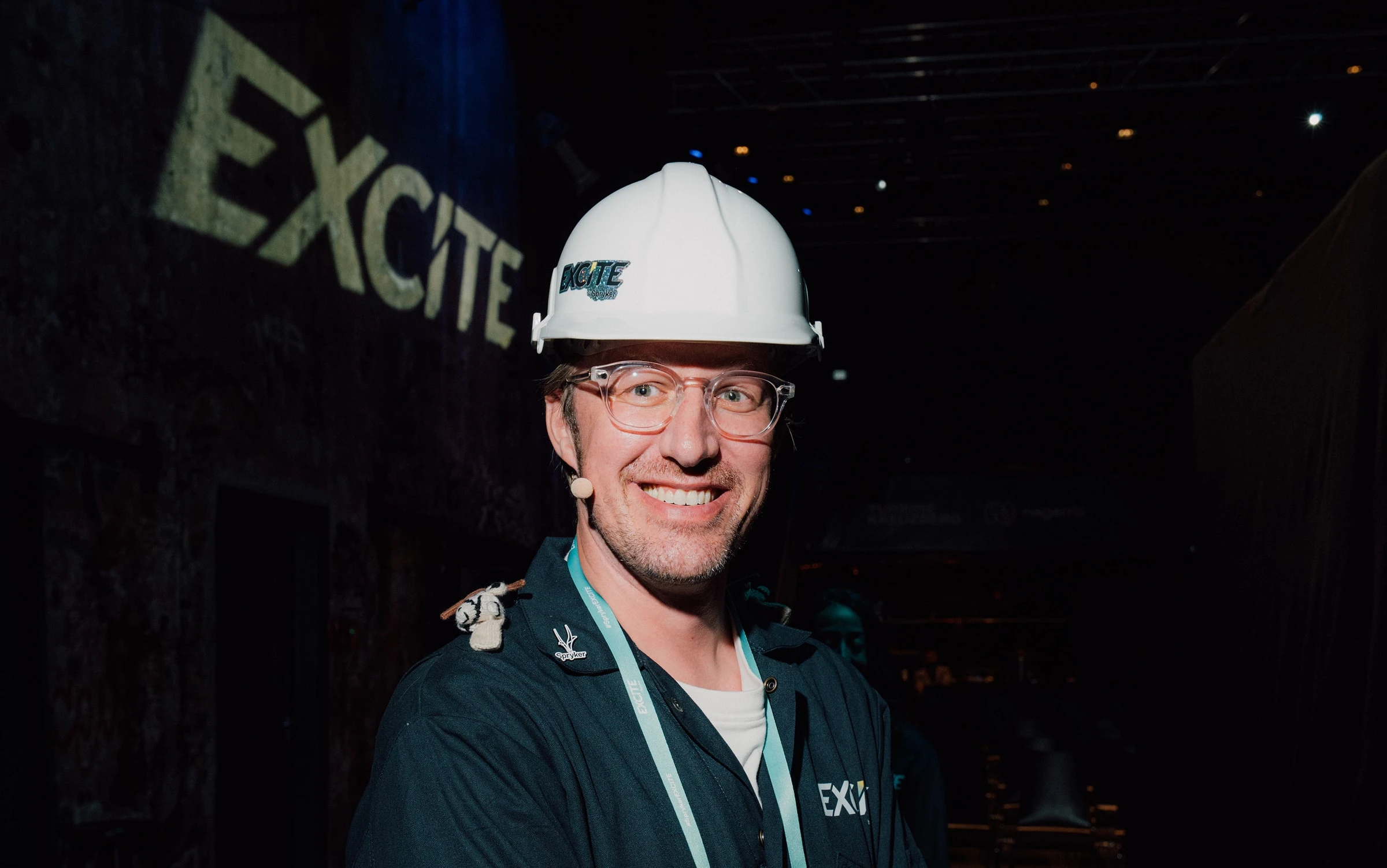
Over 20 years building communities around open-source platforms, I’ve watched a pattern repeat. Communities feel invincible until the moment they collapse.
Twitter ownership changes. Reddit alters API pricing. LinkedIn tweaks the algorithm. And suddenly years of work scatters because the infrastructure you built your community on belongs to someone else. The community didn’t fail. The architecture did.
A lot of communities are built on platforms they don’t control, optimized for engagement metrics that aim for extraction. Members spend years contributing, building relationships, creating value. Then one vendor decision wipes it away. Members deserve better. Your community deserves better.
The difference between communities that fragment under stress and communities that emerge stronger is architecture, not luck. And you can build it starting today.
In the early 2000s, I watched developers in the Joomla! ecosystem fork the platform, extend it, build entire businesses around it. They weren’t users. They were owners. The same pattern played out in the Magento ecosystem a decade later. These communities survived leadership changes, acquisitions, corporate pivots. Not because everything was well-managed, but because the architecture gave members real power.
Today? Whatever you want to do online (websites, commerce, payments, e-mail, video calls, banking, you name it): You pick between a handful of (often USA-based) SaaS platforms. Accept their terms. And keep your fingers crossed 🤞 they don’t change their API pricing, shut down your integration or worse: kick you out overnight.
A lot of people seem to have stopped believing they can shape the platforms they depend on, or even that they implement (or even create) better alternatives. That’s a failure of vision more than a failure of the tech market.
And it makes every community more fragile than it needs to be.
The fragility trap
Here is what community fragility looks like:
- You build on Twitter. Twitter changes ownership. Your community scatters.
- You invest years in Reddit. Reddit changes API terms. Your tools break.
- Your started a Slack community. Slack decides to introduce all kinds of limits on free community plans and makes the paid plans really expensive. You can’t grow there anymore.
- You create value on LinkedIn or Medium. They change the algorithm. Your audience disappears.
- You built an amazing website that has great SEO and lot’s of organic traffic. Search engines add AI overviews and your traffic tanks.
The pattern repeats:
- You are attracted by the ease of use and the appeal of a lot of users.
- Onboarding is easy and cheap/free (because it’s basically subsidized growth).
- Over time, prizes rise, the features become a lot less appealing to your usecase, you have less and less control. Your risk is concentrated.
- When stress arrives (regulation, competition, business model changes), these systems don’t bend for you. They only care about optimizing for their business model, not yours. Often, they optimize for overall engagement which might not be helpful to you at all.
- Your community breaks.
Some of these platforms even greatly facilitate misinformation and harassment because engagement drives revenue. Is that what you want as a main driver for your community platform 😱? Digital strategist Deja Foxx named this in her recent TED talk: “hate-for-profit business models.” Communities collapse when members realize they’re treated as products, not participants.
The “move-fast-and-break-things” era broke trust. Communities built on extractive platforms fragment when an existential challenge hits.
I’ve watched this cycle repeat for two decades. Different platforms. Same outcome. It’s annoying. I fell in this trap myself multiple times. Don’t be me 😅.
Many community leaders and programs aim for growth and resilience: bounce back from crises, survive platform migrations, weather controversies. But resilience is defensive: it’s “just” about withstanding shocks.
What if we designed communities that gained from change (or even shocks) instead?
Beyond resilience: what anti-fragility means
Nassim Taleb’s framework gives us better language: anti-fragile systems get stronger from stress, they don’t merely survive it.
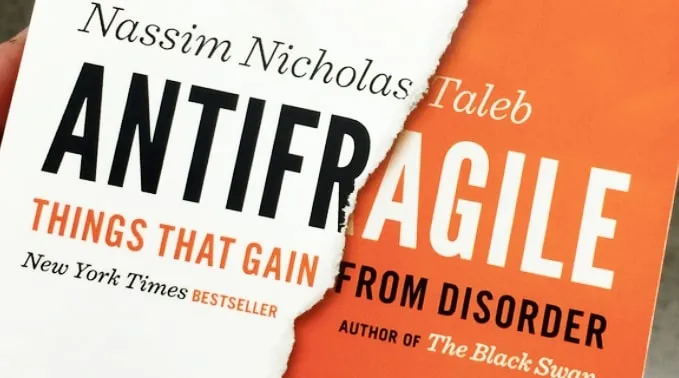
Let’s apply this to community architecture.
Building a community is in itself an anti-fragile strategy in that it is A) an incredibly hard thing for a competitor to copy and B) increases ecosystem diversity and the options that you have as a company to weather any storms.
At CRO.CAFE Podcast I couldn’t simply send all Facebook Group members an e-mail. So I moved from Facebook to an e-mail list. The CMS we used (Webflow) kept increasing monthly prices so I moved it to a self-hosted website (Astro).
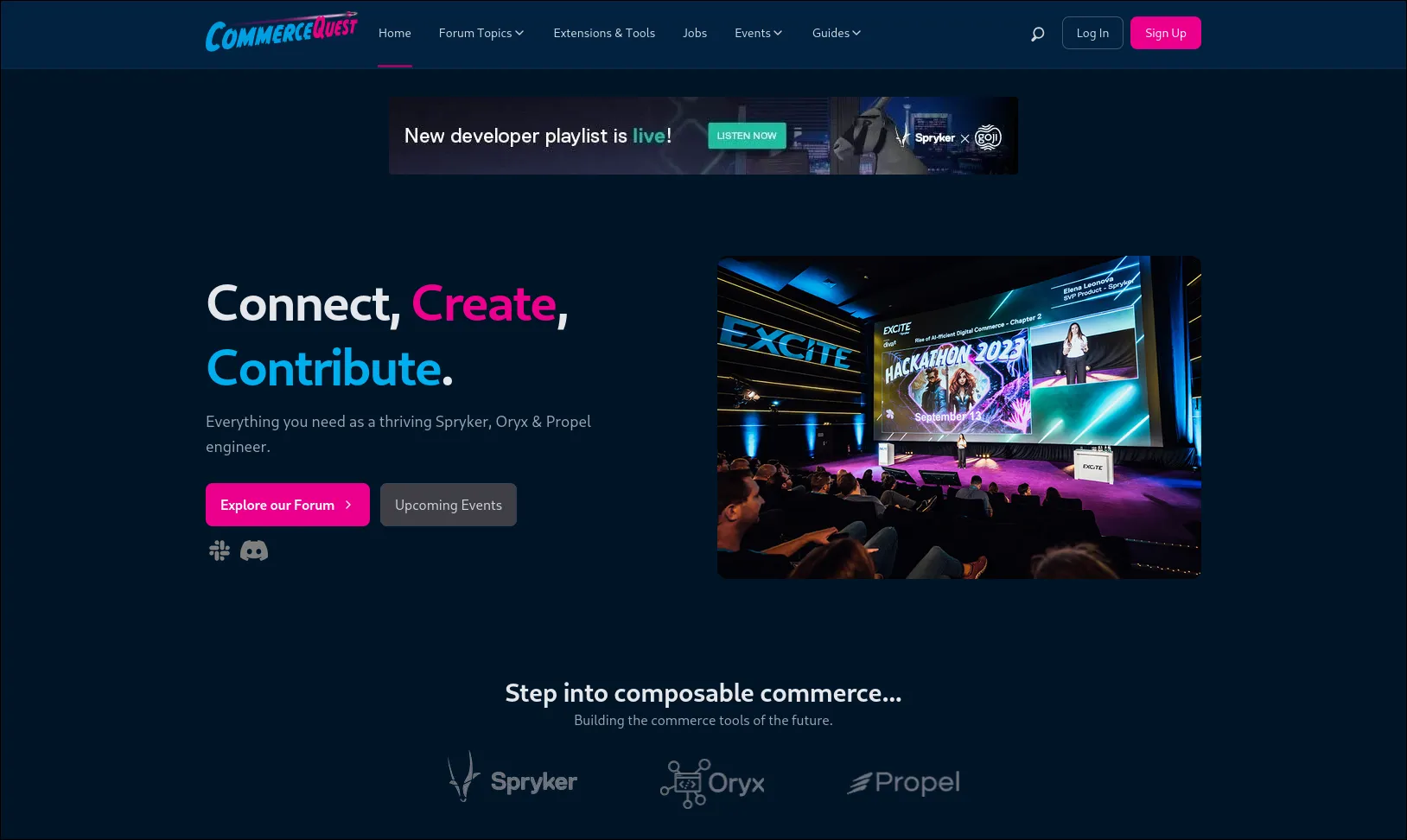
At Spryker, my team moved the community from Slack to self-hosted forums because Slack’s feature crackdown and pricing model made us vulnerable (community members on Slack really hated that older messages would just disappear after some set time period). The migration was hard work and not perfect. Lost messages. Broken workflows. Lost members. But the community emerged stronger. We’d proven we owned our infrastructure. Members trusted we wouldn’t abandon them when a vendor changed terms. We never had more community code contributions than this year. Switching platforms made the community better and increased our anti-fragility.
I’m not claiming that the platforms or systems we moved to are perfect, not at all. The point is that you should make decisions that are sound in their (anti-fragile) direction. Also: don’t change everything at once: start with the most fragile systems or processes, let the dust settle, and move to the next.
Sidenote: communities ≠ codebases. They’re living systems. The principles that make software anti-fragile (loose coupling, redundancy, graceful degradation) apply to human organizations too. The platforms we use for community building are “just” there to support the community. It’s not that they “are” the community (as Jono Bacon also repeated in his latest video Build a movement, not a Discord).
Characteristics of anti-fragile communities
Three characteristics show up in every anti-fragile community I’ve participated in:
- Distributed ownership. When twenty people can make decisions, losing one doesn’t break the system. Hierarchies concentrate risk. Networks distribute it.
- Productive chaos. Encouraging experimentation even when most experiments fail. Each failure teaches. Each fork strengthens. Communities that suppress variation become brittle.
- Built-in portability. Members can export their data. Knowledge lives in multiple formats. Communication happens across channels. Never depending on one platform for survival.
The strongest communities I’ve built weren’t the ones with the best engagement metrics. They were the ones that could survive my (teams) departure. A community team needs to facilitate the community, not be the sole organizer and driver of it.
The psychology keeping you trapped
We’ve been conditioned into passivity.
Loss aversion makes us stick with platforms we resent because switching feels risky. Status quo bias makes “how it’s always been” feel safer than experimenting. Learned helplessness makes us believe we can’t influence platform roadmaps, so we stop trying.
I’ve studied how to apply cognitive psychology to digital systems for years. The same biases that make you click “accept all cookies” make you accept platform terms they’d never negotiate. We confuse convenience with agency. We mistake participation for ownership.
Closed, Big Tech Platforms exploit these biases deliberately. The real lock-in isn’t technical integration. The belief that you’re powerless to change things keeps you trapped. It also took me a couple months to untangle my life from Google Workspace (after 20 years) but I made it!.
Anti-fragile communities counter this by giving members genuine power over their experience. Not the illusion of feedback forms. Actual influence over what gets built and how it works.
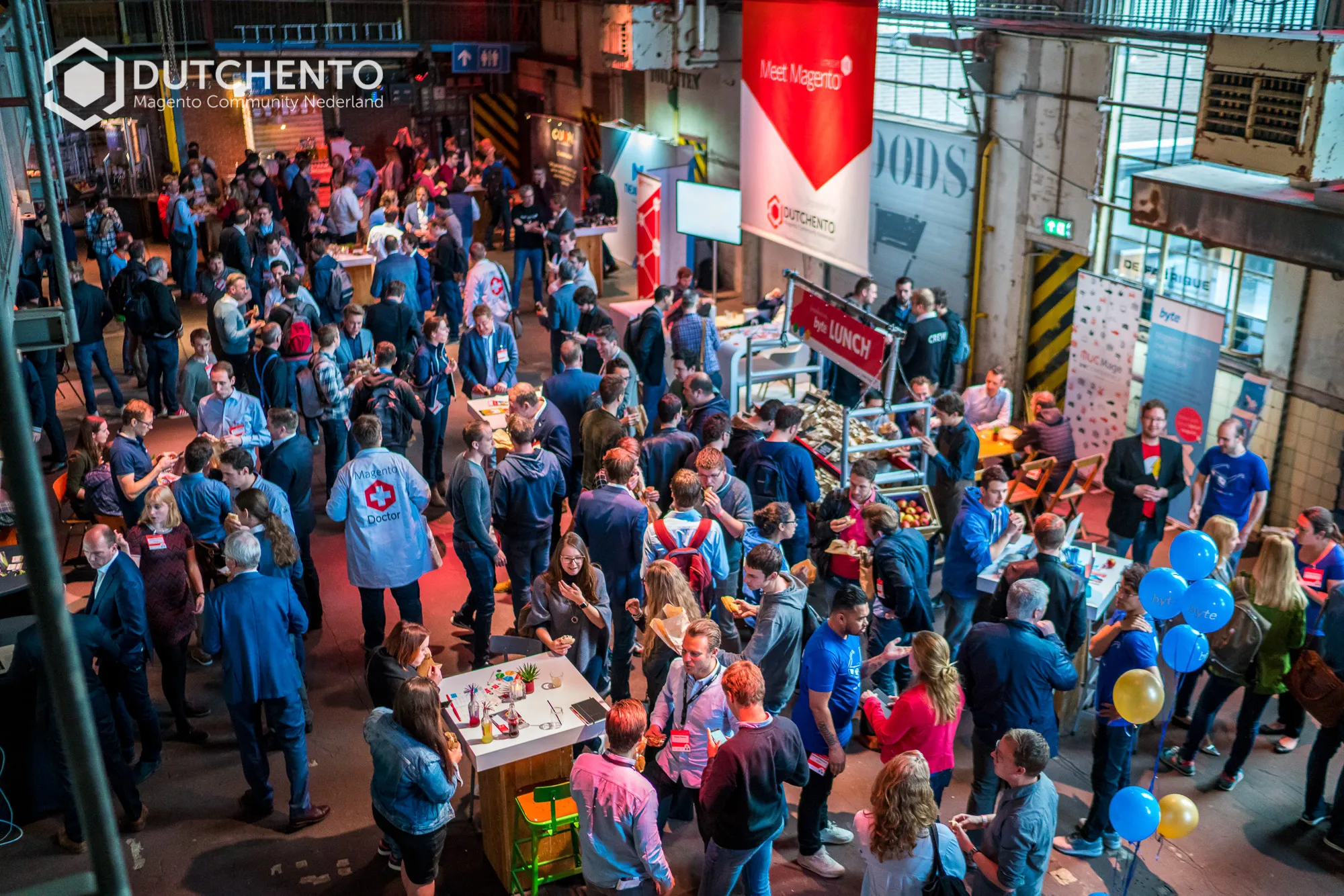
When I scaled Meet Magento Netherlands from 100 to 600 attendees, the growth wasn’t what mattered. What mattered: other community leaders copied the model. Modified it. Made it their own across Europe, then globally. Same at Spryker where we built whitepapers for others to organize Meetups, Unconferences and Hackathons. The true validation is not when your community team organizes these, but when others pick it up themselves (and give it their own twist). The pattern got stronger every time someone adapted it. Anti-fragile growth through decentralized participation. Not franchise control. Not brand protection. Just a good structure becoming better through variation.
The strongest community lock-in isn’t technical. It’s members believing they’re building something together that couldn’t exist anywhere else.
What anti-fragile architecture actually looks like
I’m not talking theory. I’m talking about communities operating at scale right now.
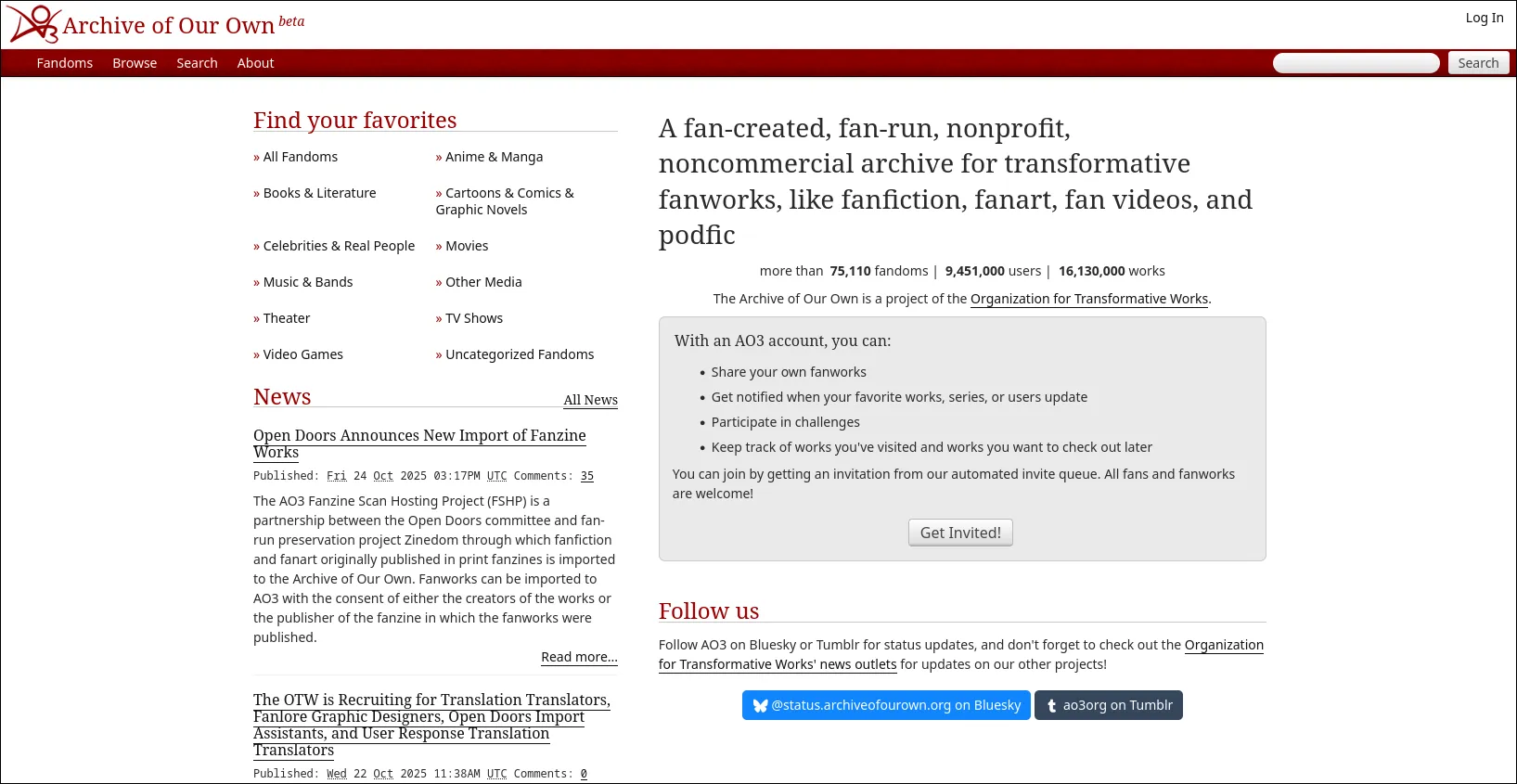
Archive of Our Own proves this works. Founded in 2008 by fans tired of platforms deleting their work, the site operates entirely through volunteers with an elected board. No paid staff. No ads. No VC funding. Seventeen years later, over eight million users rely on it. Still thriving, not because it scaled fast, but because transparent, community-based processes gave members accountability and trust in governance.
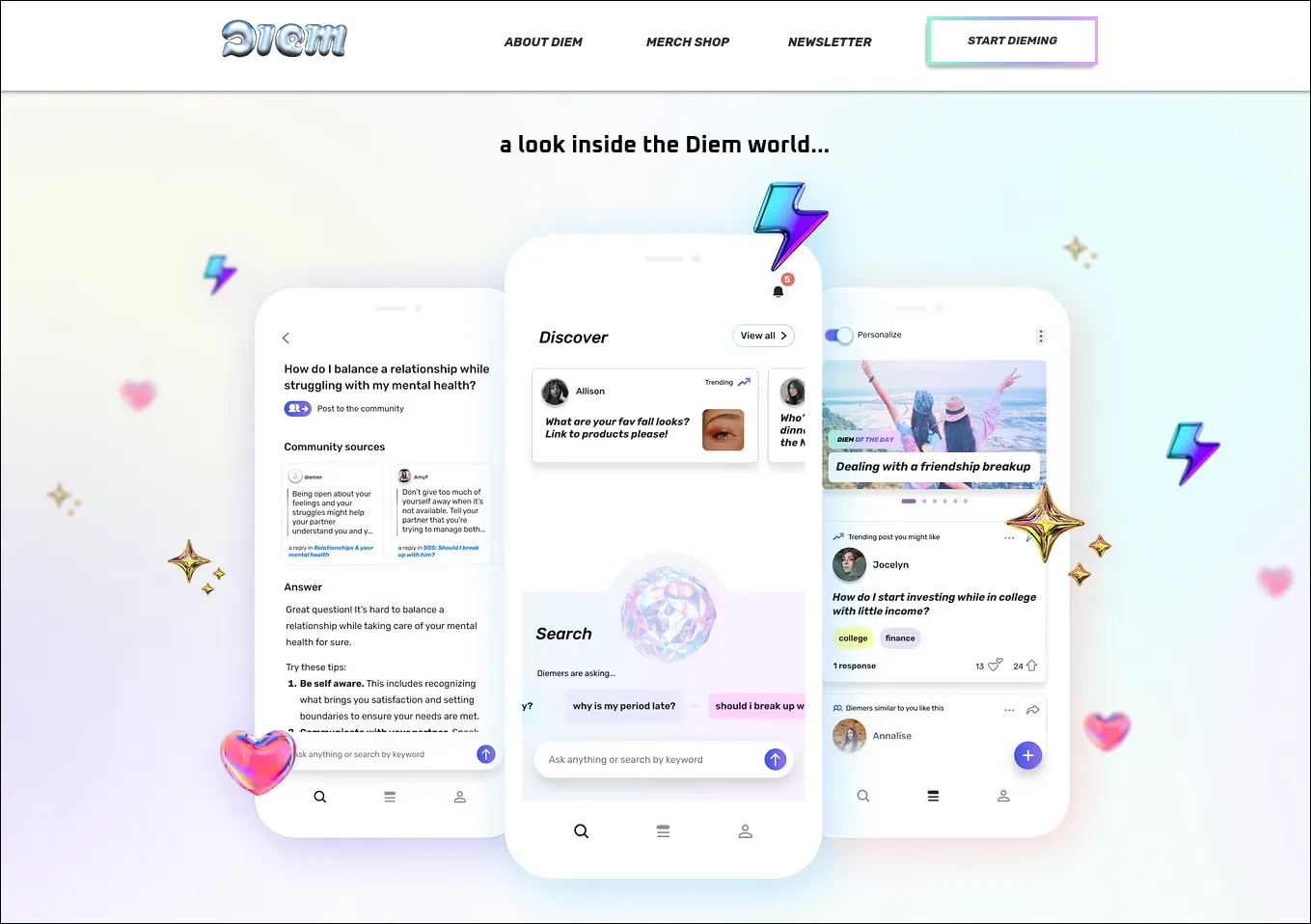
Diem demonstrates what privacy and security by design looks like. Founded in 2023 as a social search platform for women and non-binary folks, it saw 700% growth after the 2025 US inauguration when mainstream platforms failed people (anonymously) searching for info about friendships, birth control, toxic masculinity, harassment, chronic pain, big career moves, enthralling books, easy recipes (and everything in between). Community-governed moderation. A business model that rewards contribution, not extraction.
In general I would say all mature open source community tools would fall under this same anti-fragility umbrella making you less dependent form external sources.
So these aren’t utopian experiments. They’re functional alternatives, and they prove a different model works.
Three principles keep showing up:
- Own infrastructure where it matters. Not everything needs to be self-hosted. But member data, core knowledge, and community governance shouldn’t depend on commercial platforms that optimize for their engagement and shareholders, not your members. Every (community) system I’ve built since 2015 starts with this question: “How would we migrate if we had to?” Not if. When.
- Create genuine economic value for members. The Magento agency ecosystem thrived because developers and agencies built businesses, not just projects. They stayed because they were making money, not just meaning. Self-interest is more durable than altruism. Design for both. This balance between commercial benefit and public good is what keeps communities sustainable.
- Distribute power intentionally. Rotate leadership. Lower barriers to starting initiatives. Build feedback loops that actually change strategy, not just collect sentiment. Transparent decisions about why, not just what. When individuals can shape their experience, they invest differently.
Communities optimized for growth under ideal circumstances fail. Communities optimized for survival under any circumstances persist.
Why this moment matters
Deja Foxx reminds us: these platforms aren’t permanent. The social media companies influencing policies and economies are younger than people born in 2000. They feel inevitable until they’re not.
This year alone we’ve witnessed mass migrations. Twitter to Bluesky. TikTok to RedNote (idealy, use neither…). When platforms reveal their fragility, communities scatter unless they were designed not to.
AI is fracturing how we interact with technology. Chat interfaces. Autonomous agents. Distributed systems. The neat platform categories we relied on are dissolving. That’s an opportunity to rebuild with better principles.
Platform consolidation is hitting natural limits. Regulatory pressure in Europe. User revolts everywhere. Communities demanding better terms. The cracks are showing.
The next few years determine whether we get locked into centralized AI ecosystems or whether we build genuine alternatives. Real alternatives, not open source projects that get acquired and shut down. Sustainable ecosystems that enrich the lives of individual people through decentralized participation.
There’s energy for alternatives that actually promote human dignity and individual expression. Open source AI models challenging closed systems. Women-led platforms like Sunroom (creator-owned monetization) and Lore (community-governed search) proving different architectures work.
The giants are betting you won’t build alternatives. The platforms are betting you’re too invested to leave.
Especially with AI, everyone can be a builder now. Prove them wrong!
Where to start: a path forward
So how do we stop the community value extraction and start building something genuinely anti-fragile?
I have 3 action items for you:
#1: Recognize your fragility
Audit your community architecture. Where are your single points of failure? Which platforms could destroy what you’ve built by changing terms overnight? Which vendors control your member data? What tech is making you fragile?
Write it down. Ask your community ambassadors. Be honest. Most communities have more dependencies than they realize.
#2: Start small
Pick one thing to make portable, to make more anti-fragile. Your knowledge base. Your member directory. Your event archives. Your governance documentation.
Prove you can move if you need to. Build one export process. Automate one backup. Document one migration path. Start with whatever you can control today.
This isn’t about abandoning every commercial tool. Maintaining optionality matters. Your community’s future shouldn’t depend on someone else’s business model staying favorable.
#3: Build with intention
Stop optimizing communities for perfect conditions. Design for chaos. Give members genuine ownership over what gets built and how decisions get made.
Create economic value, not just engagement metrics. Members should be able to build businesses, reputations, relationships that persist beyond your platform.
Build feedback loops that actually influence roadmaps. Practice transparent governance where members understand why decisions happen, not just what got decided.
The communities that will thrive aren’t the ones with the best growth numbers today. They’re the ones architected to survive whatever comes next.
More chaos is always coming. The question is whether your community gains from it or gets crushed by it.
I’m truly optimistic about the future of digital communities, but we need to be intentional about it, and be conscious about the foundations we’re using to build them on.
What’s your single point of failure?
PS: If you want help making your community more antifragile (soft lock-in, signal loops back to product, governance that survives platform changes), that’s the kind of work I take on as an advisor. Details at /retainer.